
Ambassadors of Our Nation’s Culture
Philately and numismatics play a quiet yet powerful role in presenting the cultural identity of a nation. Through stamps, coins, and currency, a country shares its history, values, achievements, and traditions with the world. These small objects travel across borders and generations, acting as cultural ambassadors long after they are issued.
Philately, the study and collection of postage stamps and postal materials, captures the spirit of a nation in miniature form. Stamps often highlight freedom movements, national heroes, monuments, festivals, wildlife, and artistic traditions. Every design is carefully chosen to represent what a country values and wishes to showcase. When a letter carries a stamp to another land, it also carries a message about the nation’s heritage and identity.
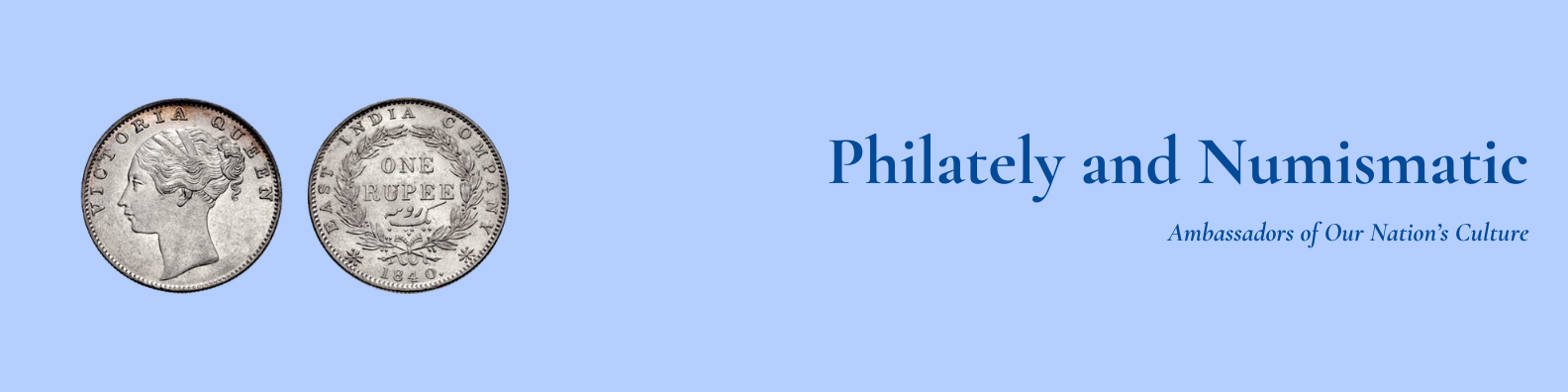
Numismatics, the study and collection of coins and currency, reflects the economic and cultural journey of a nation. Coins and banknotes record changes in leadership, political systems, and artistic styles. National symbols, languages, and historical figures engraved on currency strengthen a sense of identity and pride. Ancient and modern currencies together form a timeline of a country’s growth and transformation.
Both philately and numismatics preserve history in tangible form. They encourage citizens, especially younger generations, to learn about their roots in an engaging way. Museums, exhibitions, and private collections built around these fields help keep cultural memory alive and accessible.
In essence, philately and numismatics serve as ambassadors of our nation’s culture. Through stamps and currency, the story of a country continues to travel across time and borders, reminding the world of its heritage, struggles, and achievements.